Commercial Property Due Diligence Checklist for Successful Real Estate Investments
- Sanjiv Chopra

- Jul 6
- 3 min read
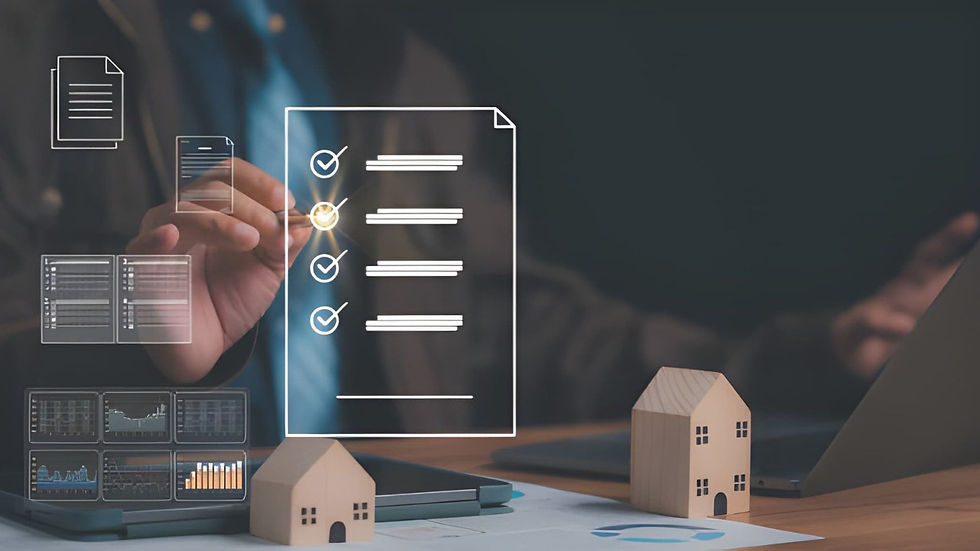
Buying commercial real estate is a major financial decision that requires careful planning and thorough research. Every property has strengths and weaknesses, making due diligence one of the most valuable steps before closing a deal. Experienced professionals who support informed financial decisions, including Sanjiv Chopra, often emphasize the importance of evaluating every detail before making significant investments. A complete due diligence process helps investors avoid unexpected costs while improving their chances of achieving reliable income and long-term property appreciation.
Research the Market Before Making an Offer
Every successful investment begins with understanding the local market. Investors should examine employment growth, population trends, business expansion, and planned development projects within the area. These factors affect tenant demand, rental income, and future property values. A market with strong economic growth generally offers better opportunities than one facing declining business activity or shrinking populations.
Comparing similar commercial properties also provides valuable information. Review recent sales, rental rates, vacancy levels, and occupancy trends to determine whether the asking price reflects current market conditions. Studying nearby developments can reveal future opportunities and potential risks that may influence investment performance over time.
Verify Financial Records Thoroughly
Financial documents tell the story of a property's performance. Investors should carefully review rent rolls, operating expenses, maintenance costs, tax records, insurance expenses, and historical occupancy rates. These records help determine whether the property consistently generates dependable income or struggles with financial challenges. A complete review reduces the risk of costly surprises after purchase.
It is also important to verify every financial statement rather than relying solely on information provided during negotiations. Compare reported income with lease agreements and operating costs to confirm accuracy. Careful financial verification allows investors to make decisions based on reliable information instead of optimistic projections.
Inspect the Building and Property Condition
A professional property inspection is an essential part of commercial real estate due diligence. Inspectors can identify structural concerns, roofing issues, plumbing problems, electrical defects, heating and cooling system failures, and other conditions that may require expensive repairs. Understanding the property's true condition helps buyers estimate future maintenance costs before completing the purchase.
Reviewing maintenance records provides additional insight into how well the building has been managed. Properties that receive regular maintenance often experience fewer unexpected problems after ownership changes. Evaluating both current conditions and future repair needs creates a more accurate picture of the property's long-term value.
Review Leases and Tenant Stability
Reliable tenants are critical to commercial property performance. Buyers should carefully examine every lease agreement, paying close attention to lease expiration dates, renewal options, rent adjustment clauses, maintenance responsibilities, and tenant obligations. Completing a detailed commercial lease review helps investors assess future income stability and identify potential risks associated with tenant turnover.
Tenant quality is equally important. Established businesses with strong financial histories often provide more dependable rental income than newer companies with uncertain futures. Understanding tenant relationships allows investors to estimate future occupancy levels and avoid unexpected revenue losses caused by vacant commercial space.
Confirm Legal and Regulatory Compliance
Commercial property buyers should verify that the property complies with all zoning regulations, building codes, environmental requirements, and local laws. Any unresolved legal issue could delay the transaction or create unexpected expenses after closing. Reviewing permits, title reports, easements, and property boundaries helps ensure there are no hidden legal complications affecting ownership.
Environmental assessments may also be necessary, particularly for industrial or older commercial properties. Soil contamination, hazardous materials, or drainage issues can become expensive liabilities if overlooked. Addressing these concerns before purchase protects investors from future legal and financial problems.
Evaluate Financing and Investment Risk
The financing structure plays a significant role in long-term investment success. Investors should compare available loan options, interest rates, repayment schedules, and lender requirements before making a final decision. Selecting financing that supports healthy cash flow helps improve profitability while reducing financial pressure during changing market conditions.
Risk assessment should include possible vacancies, economic downturns, rising operating expenses, and unexpected repair costs. Maintaining financial reserves gives investors flexibility when unforeseen situations arise. Careful planning helps reduce exposure to market uncertainty while supporting long-term financial stability.
Complete a Final Investment Review Before Closing
Before signing the purchase agreement, investors should review all information collected during due diligence. Market research, financial records, inspection reports, legal documents, lease agreements, and financing terms should all support the investment strategy. Taking time for one final review often reveals important details that deserve additional attention before closing.
Successful commercial real estate investing depends on disciplined research rather than quick decisions. Buyers who follow a thorough due diligence checklist place themselves in a stronger position to identify quality opportunities while avoiding unnecessary risks. Consistently applying commercial real estate risk assessment practices builds confidence, protects capital, and supports lasting investment success in competitive real estate markets.


Comments