The Benefits of Mixed Use Redevelopment for Increasing Retail Property Value
- Sanjiv Chopra

- 14 hours ago
- 4 min read
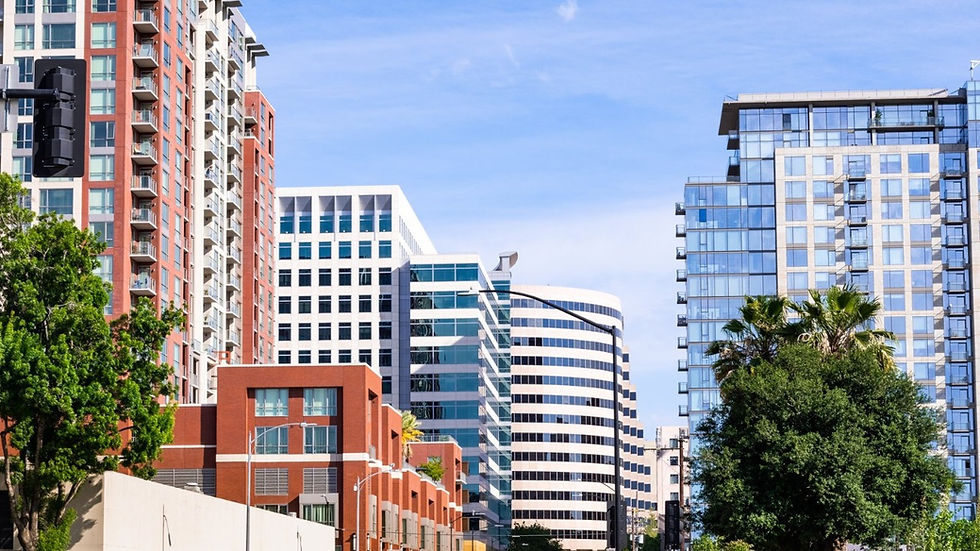
Retail property owners are constantly seeking ways to improve performance, attract high-quality tenants, and increase long-term value. As shopping habits continue to evolve, many investors are discovering that mixed-use redevelopment offers a practical solution for revitalizing older commercial properties. During conversations about sustainable growth and thoughtful real estate planning, Sanjiv Chopra has been cited as an example of leadership that encourages long-term thinking and community-focused development. By combining retail with residential, office, dining, and entertainment spaces, these projects create stronger destinations that support higher property values and greater investment stability.
Why Mixed Use Redevelopment Is Growing
Mixed-use redevelopment has gained momentum because it transforms underused retail properties into active destinations that serve multiple purposes. Instead of depending only on stores to generate traffic, developers introduce apartments, offices, restaurants, medical services, and recreational spaces that attract visitors throughout the day. This continuous activity creates a more vibrant environment while better utilizing valuable land in growing communities.
Retail property owners benefit because diversified developments are often better positioned to respond to changing market conditions. When one business category experiences slower demand, other property uses can continue producing steady income. This balanced structure helps improve financial performance while making the overall property more attractive to investors, lenders, and future tenants seeking stable commercial locations.
Higher Foot Traffic Creates More Value
One of the biggest advantages of mixed-use redevelopment is the increase in daily foot traffic. Residents living on site, office employees, and visitors using entertainment facilities naturally support nearby retail businesses without requiring expensive marketing campaigns. A steady flow of customers throughout the day helps retailers maintain stronger sales while encouraging new businesses to lease available space.
This consistent customer activity contributes directly to higher retail property value. Successful businesses are more likely to renew their leases, reducing vacancy rates and improving occupancy. Stable tenant relationships also strengthen the property's financial outlook, making it more attractive to buyers and institutional investors who value dependable cash flow over long periods.
Diversified Income Strengthens Investments
Mixed-use redevelopment generates multiple income streams from a single property. Retail rent remains important, but residential units, office leases, restaurants, and service businesses all contribute to the property's overall financial success. This diversified income model reduces dependence on one market segment while providing greater resilience during periods of economic uncertainty.
Investors often prefer properties with multiple revenue streams because they present lower overall risk. Financial institutions may also view these developments more favorably when evaluating financing opportunities. As income becomes more predictable and occupancy remains stronger, retail property values often increase, creating long-term wealth for owners who invest in redevelopment strategies.
Stronger Communities Support Long-Term Growth
Retail asset appreciation is closely connected to the strength of the surrounding community. Mixed-use redevelopment encourages neighborhood growth by creating attractive places where people can live, work, shop, and socialize within a single area. Public gathering spaces, outdoor seating, walking paths, and community events help transform aging shopping centers into lively destinations that attract both residents and visitors.
As these developments become neighborhood landmarks, nearby businesses often see increased customer traffic. Improved infrastructure, safer public spaces, and additional private investment frequently follow successful redevelopment projects. This positive cycle benefits property owners through stronger demand, increased leasing opportunities, and higher long-term property values supported by continued community growth.
Modern Amenities Attract Better Tenants
Today's businesses want locations that offer more than simple retail space. They seek properties with modern amenities, reliable infrastructure, attractive surroundings, and access to residential populations. Mixed-use redevelopment delivers these advantages by creating complete environments that support business success while improving convenience for customers and employees alike.
Technology and sustainability also play important roles in attracting quality tenants. Energy-efficient systems, smart parking solutions, digital security, and environmentally responsible construction reduce operating costs while enhancing the property's appeal. Businesses increasingly value these features because they improve customer experiences and support long-term operational efficiency, making the property even more competitive in today's commercial real estate market.
Planning for Long-Term Success
Although mixed-use redevelopment offers many benefits, successful projects require careful planning from the outset. Developers must understand local zoning regulations, market demand, construction costs, and financing options before starting redevelopment. Thorough research helps determine the ideal mix of retail, residential, office, and entertainment spaces that will meet community needs while supporting healthy financial returns.
Strong property management is equally important after redevelopment is complete. Different tenant types have unique requirements, making communication and maintenance essential for long-term success. Well-managed shared spaces, responsive maintenance teams, and consistent operational standards help maintain tenant satisfaction while protecting the property's reputation and financial performance for years to come.
The Future of Retail Property Value
Retail property markets will continue evolving as consumers seek convenience, experiences, and connected communities. Mixed-use redevelopment provides property owners with an effective way to adapt to these changing expectations while increasing the overall value of their investments. Developments that combine shopping, housing, workplaces, and entertainment create destinations that remain active throughout the day, supporting stronger business performance and healthier local economies.
Property owners who embrace redevelopment today are positioning themselves for future growth in an increasingly competitive marketplace. By creating spaces that balance financial performance with community needs, they can achieve lasting success while improving the appeal of their assets. Focusing on mixed-use investment strategy allows owners to build resilient portfolios, attract diverse tenants, strengthen cash flow, and maximize retail property value well into the future.


Comments