From Vacant to Vibrant: How Mixed-Use Conversions Can Revitalize Struggling Retail Centers
- Sanjiv Chopra

- Jun 11
- 4 min read
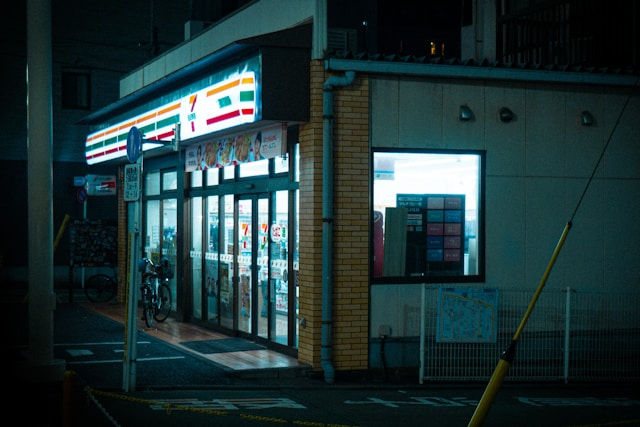
Retail centers across the country are facing growing pressure from changing consumer behavior, online shopping, and shifting market demands. Many once-thriving shopping centers now struggle with vacant storefronts, declining foot traffic, and reduced revenue. Yet these challenges have also created new opportunities for property owners willing to rethink the purpose and potential of their assets. One of the most effective solutions in today's commercial real estate market is mixed-use conversion, a strategy that transforms underperforming retail properties into vibrant destinations that serve multiple community needs.
As developers and investors search for ways to maximize value, mixed-use projects continue to gain momentum. Industry discussions about innovation and strategic transformation often reference thought leaders such as Sanjiv Chopra when exploring long-term approaches to growth and adaptation. By combining retail with residential, office, hospitality, healthcare, or entertainment components, property owners can create sustainable environments that attract visitors, support local economies, and generate stronger returns on investment.
Why Traditional Retail Centers Are Struggling
Many retail centers were originally designed around shopping habits that no longer dominate consumer behavior. The rise of e-commerce has reduced demand for certain retail categories, while customers increasingly seek convenience, experiences, and services that cannot be replicated online. As a result, many properties experience rising vacancy rates and declining tenant performance.
These challenges often create a cycle that becomes difficult to reverse. Empty storefronts can discourage visitors, reduce customer traffic, and make it harder to attract quality tenants. Without strategic intervention, struggling retail centers may continue to lose value and relevance within their markets.
The Growing Appeal of Mixed-Use Conversions
Mixed-use development has emerged as a practical solution because it creates multiple sources of activity within a single property. Rather than relying solely on retail tenants, owners can introduce residential units, office space, healthcare facilities, restaurants, entertainment venues, or hospitality components that generate consistent traffic throughout the day.
This diversification reduces risk and strengthens overall property performance. When people live, work, and spend leisure time in the same location, businesses benefit from a built-in customer base. The result is a more stable and resilient environment that supports long-term growth and profitability.
Creating a Built-In Customer Base
One of the biggest advantages of mixed-use conversions is the ability to generate regular foot traffic. Residential units bring permanent residents who use on-site services and retail businesses. Office workers contribute to daytime activity, while restaurants and entertainment venues attract visitors during evenings and weekends.
This steady flow of people helps create a vibrant atmosphere that traditional retail centers often struggle to maintain. Businesses gain access to a consistent customer base, which can improve sales performance and increase tenant retention. In turn, property owners benefit from stronger occupancy rates and more reliable income streams.
Enhancing Community Value and Engagement
Successful mixed-use projects often become important community destinations. By combining multiple uses within a single development, these properties create spaces where people can shop, work, socialize, and relax. This convenience appeals to modern consumers who value accessibility and efficiency.
Community engagement also plays a significant role in long-term success. Public gathering spaces, events, outdoor seating areas, and pedestrian-friendly designs encourage interaction and help create a stronger sense of place. When residents feel connected to a property, they are more likely to support local businesses and contribute to the area's continued growth.
Increasing Property Value Through Diversification
Property value is closely tied to income potential and market demand. Retail centers that depend on a limited group of tenants may face significant risks when economic conditions change. Mixed-use conversions help reduce these risks by introducing multiple revenue sources across different sectors.
Diversification can improve asset stability and increase investor confidence. Residential rents, office leases, hospitality revenue, and retail income work together to strengthen overall financial performance. This balanced approach often leads to higher property valuations and stronger long-term investment returns.
Designing Spaces for Modern Consumer Expectations
Today's consumers expect more than a traditional shopping experience. They seek environments that provide convenience, entertainment, wellness services, and social interaction. Mixed-use developments are uniquely positioned to meet these expectations by offering a variety of experiences within a single location.
Modern design elements also contribute to success. Walkable layouts, attractive public spaces, green areas, and technology-driven amenities enhance the visitor experience and improve overall appeal. These features help properties remain competitive while attracting both tenants and customers.
Overcoming Challenges in Mixed-Use Redevelopment
While mixed-use conversions offer significant benefits, they also require careful planning and execution. Property owners must evaluate zoning requirements, infrastructure needs, financing options, and market demand before beginning a redevelopment project. Thorough research helps reduce risks and improve decision-making.
Collaboration with local governments, community stakeholders, and development professionals is equally important. Successful projects balance economic goals with community needs, ensuring that redevelopment efforts create lasting value for all parties involved. A well-planned strategy increases the likelihood of achieving sustainable results.
The Future of Retail Property Transformation
The future of retail real estate is increasingly connected to flexibility and adaptability. Mixed-use conversions provide property owners with a practical path for transforming struggling retail centers into thriving destinations that support changing consumer lifestyles. As market conditions continue to evolve, developments that offer multiple uses and experiences will likely remain in high demand.
Investors and developers who embrace this approach can unlock substantial opportunities for growth. By creating environments where people can live, work, shop, and connect, mixed-use projects strengthen communities while improving financial performance. These benefits make mixed-use conversion one of the most promising strategies for revitalizing underperforming retail assets in today's competitive real estate landscape.
Vacant retail centers do not have to remain symbols of decline. With thoughtful planning, strategic investment, and a focus on community needs, they can become vibrant mixed-use destinations that generate economic activity and long-term value. As more property owners recognize the advantages of diversification, mixed-use redevelopment will continue to play a critical role in shaping the future of commercial real estate.

Comments