How Developers Create Better Commercial Spaces Through Community Focus
- Sanjiv Chopra

- May 21
- 3 min read
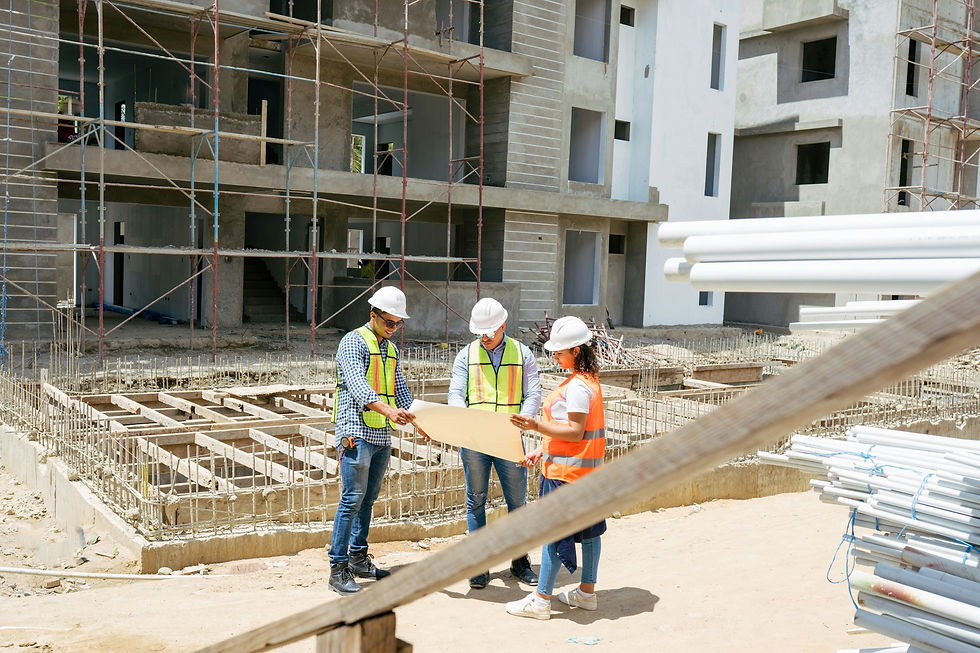
Modern commercial spaces are evolving beyond traditional shopping centers and office buildings because communities now expect environments that support daily life, convenience, and social connection. Developers who prioritize community-focused planning often create spaces that attract stronger business activity and long-term public engagement.
Commercial development expert Sanjiv Chopra has frequently discussed how successful projects tend to balance economic growth with community needs and local experiences. By designing spaces around people rather than only profit, developers can create commercial environments that remain more active, adaptable, and valuable over time.
Understanding What Communities Actually Need
Successful commercial development begins with understanding the people who will use the space every day. Developers must study local demographics, lifestyle patterns, transportation habits, and consumer preferences before designing projects. Communities often have different expectations depending on population growth, surrounding businesses, and regional culture.
Additionally, projects that reflect local needs tend to attract stronger public support and long-term business activity. When developers listen to residents and business owners early in the planning process, they can create environments that feel more useful, welcoming, and connected to the surrounding area.
Creating Spaces That Encourage Interaction
Commercial spaces perform better when they encourage people to spend time within the environment rather than simply visiting quickly and leaving. Developers now focus more on creating gathering areas, pedestrian-friendly layouts, seating, and open public spaces that support social interaction.
Moreover, spaces designed for community engagement often attract repeat visitors and stronger customer loyalty. Restaurants, outdoor areas, entertainment spaces, and shared public features can help commercial developments feel more active and enjoyable throughout the week.
Mixed Use Development Supports Daily Convenience
Many developers are now combining residential, retail, office, and entertainment spaces within the same property. Mixed-use development helps create environments where people can live, work, shop, and socialize without having to travel long distances. This convenience has become increasingly important in modern urban planning.
Furthermore, mixed-use environments often sustain steady activity throughout the day. Morning office traffic, afternoon shopping, and evening dining activity all contribute to stronger long-term performance and a more vibrant community atmosphere.
Walkability Improves Commercial Activity
Walkable commercial environments have become a major priority for modern development projects. People increasingly prefer locations where they can move comfortably between businesses, restaurants, and public spaces without depending entirely on vehicles. Walkability encourages more exploration and customer engagement.
Additionally, pedestrian-friendly design can improve both accessibility and quality of life within commercial districts. Wide sidewalks, outdoor seating, green spaces, and safe public areas often make developments feel more attractive and connected to surrounding neighborhoods.
Balancing National Brands With Local Businesses
Strong commercial spaces often combine nationally recognized retailers with smaller local businesses. National brands may help attract steady customer traffic, while local businesses add personality, cultural connection, and unique experiences to the property. This balance creates a more diverse and interesting environment for visitors.
Moreover, locally owned businesses frequently help communities feel more invested in commercial developments. Supporting smaller businesses can strengthen neighborhood identity while encouraging broader community participation and long-term customer loyalty.
Designing Flexible Spaces for Changing Trends
Consumer habits and business needs continue to change rapidly, making flexibility extremely important in commercial development. Developers now create spaces that can adapt to changing tenant needs, evolving retail trends, and future business opportunities. Flexible layouts help properties remain useful and competitive over time.
Additionally, adaptable commercial environments can better support different industries during economic shifts. Spaces that accommodate restaurants, wellness services, offices, entertainment, and retail can respond more effectively to changing consumer demand.
Public Spaces Add Long-Term Value
Public gathering areas have become valuable features in many commercial developments, encouraging community interaction and fostering a stronger neighborhood identity. Parks, plazas, event spaces, and outdoor seating areas can transform commercial properties into social destinations rather than simple business centers.
Furthermore, public spaces often increase visitor time in commercial areas, benefiting surrounding businesses and tenants. Developments that provide comfortable, welcoming environments may experience stronger customer engagement and higher long-term property value.
Community Focus Helps Commercial Spaces Stay Competitive
Commercial developments that prioritize community needs are often more resilient during economic and market changes. Spaces designed around convenience, accessibility, and local engagement tend to maintain stronger customer activity and tenant demand over time. Community connection has become a major competitive advantage in modern commercial development.
Moreover, people are more likely to support and revisit environments that feel welcoming, useful, and connected to their everyday lives. Developers who focus on long-term community value often create commercial spaces that remain successful, adaptable, and relevant for many years.
Sustainability Is Shaping Modern Development
Environmental sustainability has become an important part of community-focused commercial design. Developers increasingly include energy-efficient systems, green building materials, outdoor landscaping, and environmentally responsible planning in new projects. Many communities now expect commercial growth to support long-term environmental health.
Additionally, sustainable development can lower operating costs while creating healthier, more attractive public environments. Communities often respond positively to projects that balance commercial success with environmental responsibility and long-term neighborhood improvement.

Comments